NHS Weight-Loss Injections at Risk as GP Funding Cuts Spread
Investigation reveals most English integrated care boards have withdrawn GP funding for NHS weight-loss injections like Mounjaro, affecting patient access to treatment.
NHS Weight-Loss Injections Face Access Crisis Following GP Funding Cuts
An extensive investigation has uncovered a significant challenge for patients seeking NHS weight-loss injections, as a growing number of integrated care boards across England have eliminated financial support for general practices prescribing and monitoring these medications. The findings highlight a troubling trend that could leave thousands of eligible patients unable to access potentially transformative treatments.
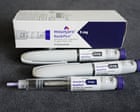
The inquiry, conducted by the respected GP magazine Pulse, reveals that NHS weight-loss injections—particularly Mounjaro, the commercial name for tirzepatide—are becoming increasingly difficult to obtain through primary care services. This development represents a substantial barrier for patients who have been identified as candidates for these medications.
Widespread Withdrawal of Local Enhanced Services
The investigation discovered alarming statistics regarding the availability of NHS weight-loss injections across England's healthcare system. Out of 36 integrated care boards surveyed, 21 have completely discontinued their payments to GP practices for providing services related to these medications. This includes both the initial prescribing and the essential ongoing monitoring that patients require.
The situation becomes even more concerning when examining the broader picture. Of the remaining 15 integrated care boards, nine never established local enhanced services for NHS weight-loss injections at any point. Only four integrated care boards continue to maintain active funding arrangements with general practices for these critical services.
Impact on Patient Access to Weight-Loss Treatment
The withdrawal of GP funding for NHS weight-loss injections creates a significant access problem for the population eligible for these medications. Tirzepatide and similar weight-loss treatments have demonstrated remarkable results in clinical settings, offering patients substantial health improvements when used as part of a comprehensive treatment program.
Patients who might benefit from NHS weight-loss injections now face considerable uncertainty about where they can receive prescriptions and monitoring. The loss of support through general practice represents a critical gap in the healthcare pathway, as GPs typically serve as the primary point of contact for most patients seeking medical assistance.
The Role of Integrated Care Boards in Healthcare Commissioning
Integrated care boards hold significant responsibility for determining which services receive funding within their regions. These organizations make decisions about local enhanced services—additional healthcare provisions beyond standard NHS offerings—that practices can provide to patients. The decision to withdraw funding for NHS weight-loss injections reflects broader pressures on healthcare budgets and resource allocation.
The cuts to GP funding represent just one aspect of wider challenges within England's healthcare system. As integrated care boards manage limited resources, they must make difficult decisions about which services to prioritize, and apparently, support for weight-loss medication services has not ranked highly on many of their agendas.
Questions About Treatment Continuity and Standards
The inconsistent availability of NHS weight-loss injections across different regions raises questions about equitable access to healthcare. Patients in areas where integrated care boards continue to fund these services have significantly better prospects than those in regions where funding has been withdrawn. This variation undermines the principle of equal access that underpins the NHS.
Monitoring represents a particularly important concern in this debate. Patients using tirzepatide and similar medications require regular check-ins with healthcare professionals to ensure the treatment remains appropriate and to manage any side effects. Without GP support funded through NHS weight-loss injections programs, patients may struggle to access this essential oversight.
Implications for NHS Weight-Loss Injections Strategy
The widespread withdrawal of GP funding for NHS weight-loss injections suggests that integrated care boards may be directing patients toward alternative pathways or reducing their commitment to these treatment options altogether. Some patients might be referred to specialist services, while others could be left without clear routes to obtaining necessary medications.
This development raises important questions about the NHS's long-term strategy regarding weight management and metabolic health. As obesity remains a significant public health challenge in England, the reduction in accessible treatment options through primary care seems counterproductive to broader health objectives.
What This Means for Future Access
The inquiry's findings suggest that patients seeking NHS weight-loss injections should contact their GP to understand what services are available in their local area. The situation remains fluid, and some integrated care boards may reconsider their position on funding these services. However, without significant intervention, the current trajectory points toward increasingly limited access to these potentially life-changing treatments through the NHS.
Moving forward, policymakers and healthcare leaders will need to address the tension between resource constraints and the demand for NHS weight-loss injections. The decision to withdraw or maintain funding will have real consequences for patient outcomes and the ability of the healthcare system to address obesity as a clinical and public health issue.